logo
Wuxi Jangli Machinery Co., Ltd.
About Us

Wuxi Jangli Machinery Co., Ltd.

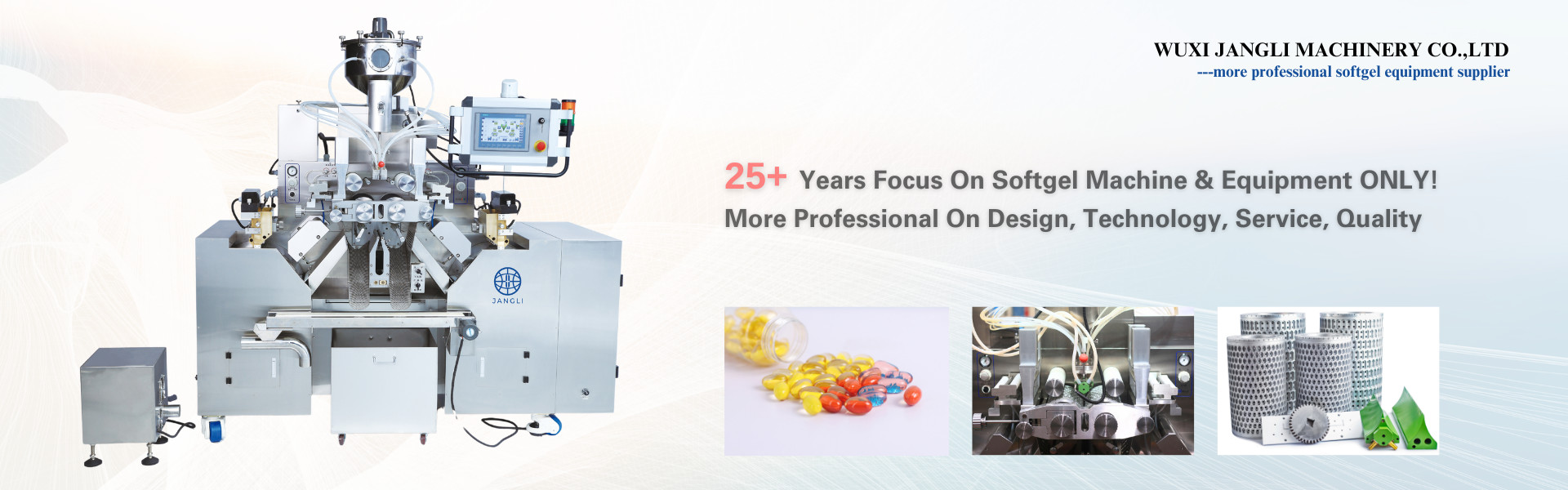
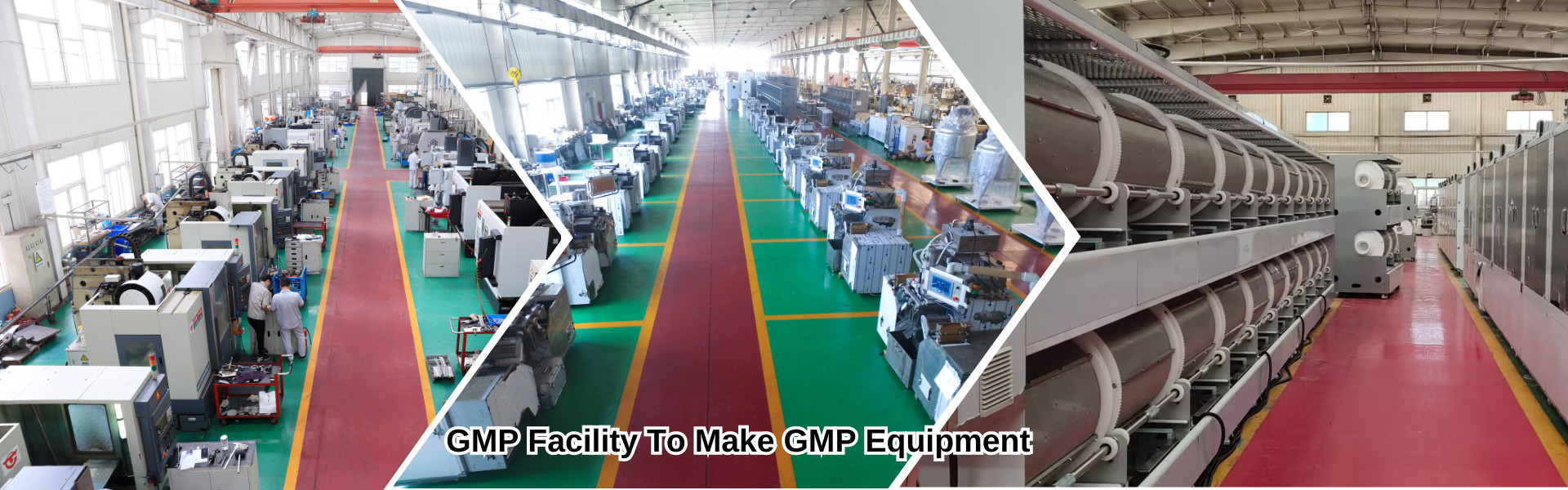
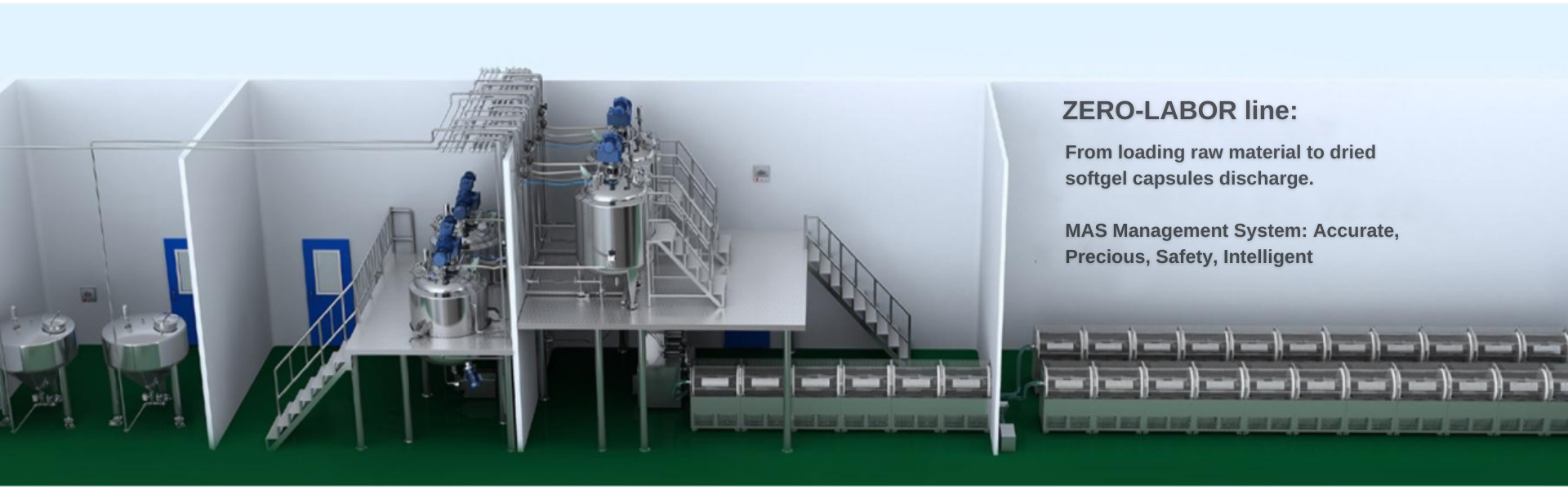
Wuxi Jangli Machinery Co.,Ltd is a professional manufacturer and supplier of softgel encapsulation machines and all other supporting equipment .Our Scale:1. 6000 m2 + production workshop.2. 100+ technicians, engineers and other workers and staffs.3. 20+ sets of CNC processing center for die rollers and other precision componentsOur Production Capacity:1. 100+ sets of softgel encapsulation machine are sold to all over the world every year.2. 1000+ softgel die roller sets for all kinds of brand ...
View More
China Wuxi Jangli Machinery Co., Ltd.

1996

Year Established:

15,000,000 +

Annual Sales:

Catalent;Procpas;GSK; Wyeth +

customers served

150 +

Employees

News
What Are the Components of a Softgel Encapsulation Machine?
2026-06-08
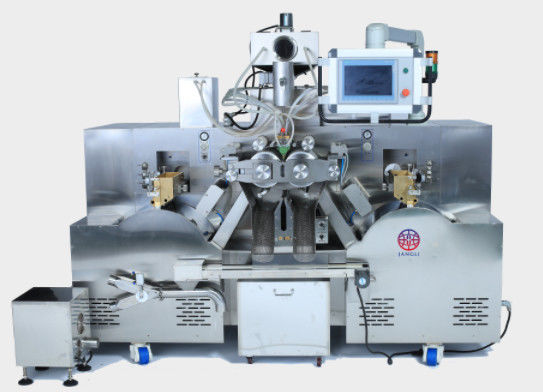
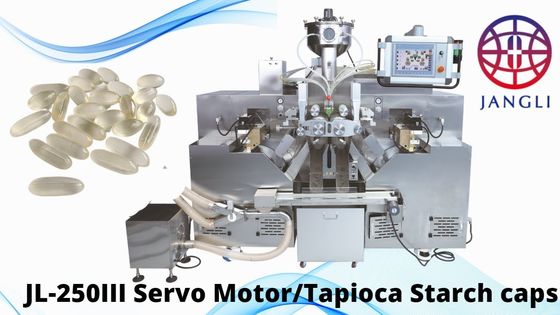
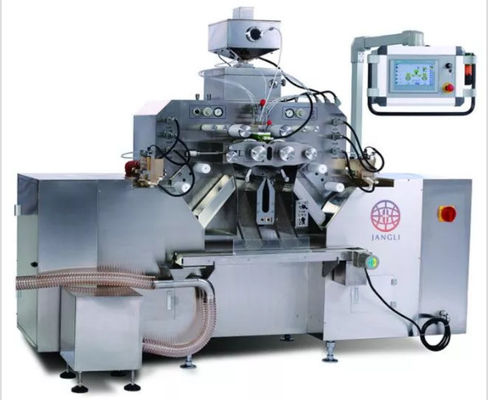
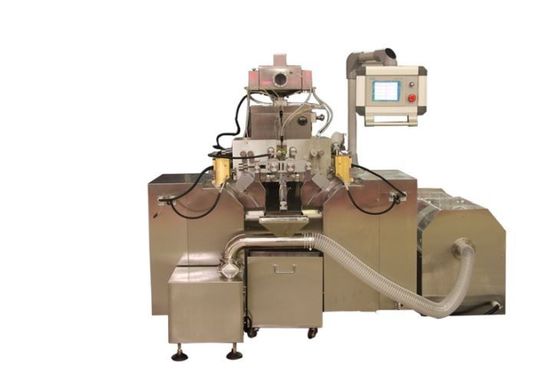
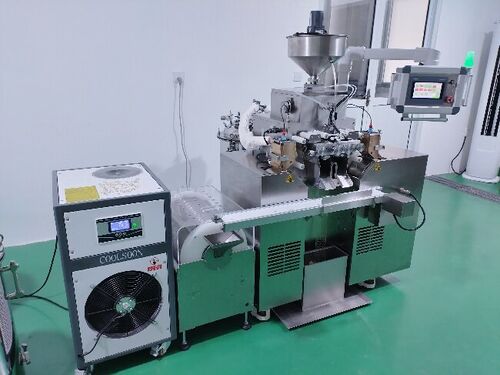
Softgel encapsulation machines are essential equipment in softgel production, widely used in the pharmaceutical and nutraceutical industries. These machines ensure an efficient, consistent encapsulation process and enable the production of high-quality products. Each component of a softgel encapsulation machine has a specific function that contributes to the overall operation. Understanding the purpose and function of these components is critical for machine maintenance, troubleshooting, and production optimization. A softgel encapsulation machine consists of many specialized components, each playing a decisive role in the encapsulation process. Key components include the hopper and feed pump, injection wedge, gelatin melting tank, gelatin drums, lubricating roller, die roll assembly, conveyor, tumble dryer, and PLC touch screen. Each part plays an indispensable role in ensuring the production of uniform, high-quality softgels. Hopper and Feed Pump The hopper and feed pump are critical components that supply the fill material to the encapsulation area. The hopper stores the pharmaceutical or nutraceutical mixture to be encapsulated, while the feed pump precisely controls the flow rate and volume of the material delivered. The accuracy of the feed pump is essential to ensure that each softgel receives the correct dosage, which is critical for product consistency and efficacy. Automated systems often help regulate flow and pressure, minimizing human error and maintaining batch-to-batch consistency. Injection Wedge The injection wedge is a key component that injects the fill material into the gelatin ribbons during the encapsulation process. Positioned between the die rolls, the injection wedge ensures that the fill material is accurately delivered into the formed gelatin pockets. Proper alignment of the injection wedge is critical to prevent leakage and ensure that each softgel is uniformly filled. The precision and timing of the injection process are highly critical, requiring advanced monitoring and control systems to maintain softgel quality and integrity. Gelatin Melting Tank The gelatin melting tank is the foundation of the softgel manufacturing process. The function of the gelatin melting tank is to heat and melt gelatin, converting it into a liquid state suitable for forming softgel shells. Temperature control is critical to maintain the required viscosity and prevent bubble formation. The gelatin melting tank also stores the melted gelatin, keeping it at a constant temperature and ready for transfer to the softgel manufacturing area. This continuous operation ensures an uninterrupted supply of required gelatin, minimizing any disruption during manufacturing. Gelatin Drums Gelatin drums are used to form the gelatin ribbons required for capsule production. The gelatin box evenly applies melted gelatin onto the gelatin drums, which rotate to cool and solidify the gelatin into thin, uniform ribbons. These gelatin ribbons are then used in the softgel manufacturing process to form the softgel shells. The thickness and uniformity of the gelatin ribbons are critical to ensure capsule integrity and quality. Control of temperature and gelatin ribbon uniformity is essential to produce softgels that meet required specifications. Lubricating Roller The lubricating roller plays an important role in ensuring the smooth operation of the manufacturing machine. The lubricating roller applies a thin layer of lubricant onto the gelatin ribbons before they enter the die rolls. This lubrication prevents the gelatin ribbons from sticking to the die rolls or to each other, thereby promoting smooth and seamless encapsulation. Proper maintenance and monitoring of the lubrication system are critical to avoid over-lubrication, which can affect the quality of softgel manufacturing. Die Roll Assembly The die roll assembly is the core of the softgel encapsulation machine. The die rolls shape the gelatin ribbons and fill them with the fill material. The synchronization and precision of the die roll assembly are critical to producing defect-free softgels and maintaining high production efficiency. Conveyor and Tumble Dryer The conveyor and tumble dryer are critical for the post-encapsulation process. The conveyor transports the newly formed softgels to the drying area, ensuring they do not stick together and are evenly spaced. The tumble dryer then rotates the softgels, allowing them to shed excess moisture. Effective drying prevents softgel deformation and does not compromise their quality or shelf life. The drying process can take anywhere from several hours to several days, requiring careful supervision to achieve the required moisture content. PLC Touch Screen The PLC (Programmable Logic Controller) touch screen is the control hub of the softgel encapsulation machine. This advanced interface allows operators to monitor and control various aspects of the softgel manufacturing process, from temperature settings and fill volumes to production speed and machine diagnostics. The PLC touch screen provides real-time data and alerts, enabling quick adjustments and minimizing downtime. The automation achieved through the PLC system improves accuracy, reduces human error, and ensures consistent quality across production batches. ConclusionUnderstanding the different parts of a softgel encapsulation machine is essential for anyone involved in its operation or maintenance. Each component—from the hopper and injection wedge to the gelatin melting tank, gelatin drums, die roll assembly, and PLC touch screen—plays a specific and critical role in producing high-quality softgels. Mastering these elements enables production optimization, reduces downtime, and maintains consistent quality.
Read More
Latest company news about What Are the Components of a Softgel Encapsulation Machine?
What Equipment Is Used for Filling Capsules? A Guide for Manufacturers
2025-09-22
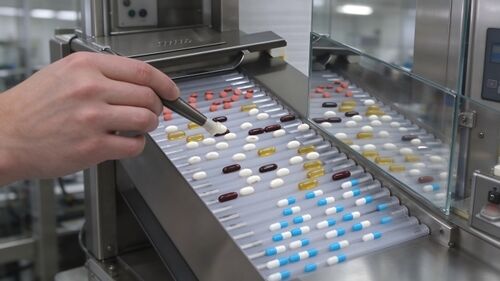
.gtr-container-f7h2k9 { font-family: Verdana, Helvetica, "Times New Roman", Arial, sans-serif; color: #333; line-height: 1.6; padding: 15px; max-width: 100%; box-sizing: border-box; overflow-wrap: break-word; word-break: normal; } .gtr-container-f7h2k9 p { font-size: 14px; margin-bottom: 1em; text-align: left !important; } .gtr-container-f7h2k9 strong { font-weight: bold; } .gtr-container-f7h2k9 .gtr-section-title { font-size: 18px; font-weight: bold; margin-top: 2em; margin-bottom: 1em; color: #0056b3; text-align: left; } .gtr-container-f7h2k9 ul { list-style: none !important; margin: 0 0 1em 0 !important; padding: 0 !important; } .gtr-container-f7h2k9 ul li { position: relative; padding-left: 25px; margin-bottom: 0.5em; font-size: 14px; text-align: left !important; } .gtr-container-f7h2k9 ul li::before { content: ""; position: absolute; left: 0; top: 0.5em; width: 8px; height: 8px; background-color: #007bff; border-radius: 50%; transform: translateY(-50%); } .gtr-container-f7h2k9 ul ul { margin-top: 0.5em !important; margin-bottom: 0.5em !important; } .gtr-container-f7h2k9 ul ul li { padding-left: 20px; font-size: 14px; } .gtr-container-f7h2k9 ul ul li::before { background-color: #6c757d; width: 6px; height: 6px; top: 0.5em; } @media (min-width: 768px) { .gtr-container-f7h2k9 { padding: 30px; max-width: 900px; margin: 0 auto; } .gtr-container-f7h2k9 .gtr-section-title { font-size: 20px; } } In the pharmaceutical and nutraceutical industries, a key question for any business looking to expand its product line is: "What equipment is used for filling capsules?" The answer depends on a number of factors, including your production volume, the type of substance you're filling, and your budget. From small-scale manual tools to high-speed, fully automated machines, the right equipment ensures accuracy, efficiency, and product quality. Here's a breakdown of the primary equipment used for filling capsules. 1. Manual Capsule Fillers For startups, R&D labs, and businesses with very low production volumes, a manual capsule filler is the ideal solution. How They Work: These devices consist of a tray with holes, a tamper, and a sealing plate. An operator manually places empty capsules in the tray, fills them with powder using a spatula, tamps down the powder, and then seals the capsules. Best For: Small-scale production (e.g., a few hundred capsules per hour) Prototyping or R&D Custom formulations or compounding pharmacies Pros: Very low cost, easy to use, and requires minimal maintenance. Cons: Labor-intensive and slow, with a higher chance of inconsistency in dosage. 2. Semi-Automatic Capsule Fillers When production needs exceed the capabilities of a manual filler but don't yet justify a fully automated system, a semi-automatic capsule filling machine is the perfect middle ground. How They Work: These machines automate key parts of the process. An operator manually loads the empty capsules into the machine, which then automatically separates the capsule halves, fills them with a precise dose of material, and joins the capsule halves back together. Best For: Medium-scale production (e.g., thousands of capsules per hour) Businesses with growing demand Products that require a consistent dose without the investment of a fully automatic machine Pros: Significant increase in speed and accuracy over manual methods, more affordable than automatic machines, and requires less floor space. Cons: Still requires an operator to manually feed capsules, which can be a bottleneck. 3. Fully Automatic Capsule Fillers For large-scale commercial production, a fully automatic capsule filling machine is the industry standard. These are the workhorses of the pharmaceutical and nutraceutical world. How They Work: These machines handle the entire process from start to finish. They automatically sort, orient, separate, fill, and close the capsules at very high speeds, with minimal human intervention. They often include features for dust collection and reject-sorting for quality control. Best For: High-volume production (e.g., tens to hundreds of thousands of capsules per hour) Large-scale pharmaceutical and supplement manufacturing Operations where speed, consistency, and traceability are critical Pros: Unmatched speed and efficiency, highest level of dose accuracy, and minimal labor requirements. Cons: Significant initial investment and requires more maintenance and skilled operators. Choosing the right equipment for your capsule-filling needs is a critical business decision. By carefully assessing your current and future production goals, you can select a machine that provides the perfect balance of efficiency, accuracy, and cost-effectiveness.
Read More
Latest company news about What Equipment Is Used for Filling Capsules? A Guide for Manufacturers
What is a Capsule Filling Machine Called? A Look at Its Different Names and Functions
2025-09-22
.gtr-container-x7y2z9 { font-family: Verdana, Helvetica, "Times New Roman", Arial, sans-serif; color: #333; line-height: 1.6; padding: 20px; max-width: 100%; box-sizing: border-box; } .gtr-container-x7y2z9 * { box-sizing: border-box; } .gtr-container-x7y2z9 p { font-size: 14px; margin-bottom: 15px; text-align: left !important; } .gtr-container-x7y2z9 strong { font-weight: bold; } .gtr-container-x7y2z9 .gtr-heading { font-size: 18px; font-weight: bold; margin-top: 25px; margin-bottom: 15px; color: #0056b3; /* A strong industrial blue */ text-align: left !important; } .gtr-container-x7y2z9 .gtr-main-title { font-size: 20px; font-weight: bold; margin-bottom: 20px; color: #003366; /* Even darker blue for main title */ text-align: left !important; } .gtr-container-x7y2z9 ul { list-style: none !important; margin: 0 !important; padding: 0 !important; margin-bottom: 15px; } .gtr-container-x7y2z9 ul li { position: relative; padding-left: 25px; margin-bottom: 10px; font-size: 14px; text-align: left !important; } .gtr-container-x7y2z9 ul li::before { content: "•"; color: #007bff; /* Industrial blue for bullets */ font-size: 1.2em; position: absolute; left: 0; top: 0; line-height: inherit; font-weight: bold; } @media (min-width: 768px) { .gtr-container-x7y2z9 { padding: 30px; max-width: 900px; /* Constrain width for better readability on large screens */ margin: 0 auto; /* Center the component */ } } In the world of pharmaceuticals and health supplements, accuracy and speed are everything. A capsule filling machine is the cornerstone of this process, but its name can sometimes be a point of confusion. What exactly is this machine called, and why does its name often vary? A capsule filling machine is a specialized piece of equipment designed to fill empty hard-shell capsules with various substances. It can be a simple manual device for small-batch production or a fully automated machine capable of filling tens of thousands of capsules per hour. The Different Names Reflecting Different Functions The different names for a capsule filling machine often highlight its role or its level of automation. Capsule Filler: This is the most direct and universally understood term. It simply describes the machine's primary function: filling capsules. It can be used for both manual and automatic machines. Automatic Capsule Filler / Semi-Automatic Capsule Filler: These names add a layer of specificity, defining the machine's level of automation. An automatic filler handles the entire process, from capsule orientation to filling and sealing. A semi-automatic machine requires an operator to manually place the capsules into the machine before it fills and seals them. Encapsulating Machine: This term is favored in discussions about the entire production process. It highlights the machine's role in creating a "finished, encapsulated product," which is often a key selling point for pharmaceutical and nutraceutical companies. Capsule Dosing Machine: This name emphasizes the most critical function of the machine: accurate dosing. For high-potency drugs or supplements, ensuring each capsule contains the exact same amount of active ingredient is non-negotiable. This term is more common in high-precision manufacturing environments. The Importance of a Shared Language For us as manufacturers, understanding these various terms is crucial for effective communication with our international clients. When you use a specific term like "automatic capsule filler," it immediately tells us about your production scale and needs. No matter what you call it, the core purpose remains the same: to deliver a precise, consistent, and high-quality final product. Understanding the different names for this essential machine is the first step toward finding the perfect solution for your production line.
Read More
Latest company news about What is a Capsule Filling Machine Called? A Look at Its Different Names and Functions
What is a Capsule Filling Machine Called? And Why Does It Matter?
2025-09-22
.gtr-container-xyz123 { font-family: Verdana, Helvetica, "Times New Roman", Arial, sans-serif; color: #333; line-height: 1.6; padding: 15px; max-width: 100%; box-sizing: border-box; overflow-wrap: break-word; } .gtr-container-xyz123 p { font-size: 14px; margin-bottom: 1em; text-align: left; } .gtr-container-xyz123 strong { font-weight: bold; } .gtr-container-xyz123 .gtr-heading-xyz123 { font-size: 18px; font-weight: bold; margin-top: 2em; margin-bottom: 1em; color: #0056b3; text-align: left; } .gtr-container-xyz123 ul { list-style: none !important; margin: 0 !important; padding: 0 !important; margin-bottom: 1em; } .gtr-container-xyz123 ul li { position: relative; padding-left: 25px; margin-bottom: 0.8em; font-size: 14px; text-align: left; } .gtr-container-xyz123 ul li::before { content: "•"; position: absolute; left: 0; top: 0; color: #0056b3; font-size: 1.2em; line-height: 1.6; } @media (min-width: 768px) { .gtr-container-xyz123 { padding: 25px 40px; max-width: 960px; margin: 0 auto; } .gtr-container-xyz123 p { margin-bottom: 1.2em; } .gtr-container-xyz123 .gtr-heading-xyz123 { margin-top: 2.5em; margin-bottom: 1.2em; } .gtr-container-xyz123 ul li { margin-bottom: 1em; } } If you're in the pharmaceutical or nutraceutical industry, you've likely heard of a capsule filling machine. But you may have also come across other names for this essential piece of equipment. What are they, and why is it important to know the right terminology? A capsule filling machine is a device used to automatically or semi-automatically fill empty capsules with powders, granules, pellets, or liquids. The most common term is indeed "capsule filler" or "capsule filling machine," but you might also hear it referred to by other names, depending on its specific function or the industry it serves. Common Names and Their Meaning Capsule Encapsulation Machine: This term is often used interchangeably with "capsule filling machine." It emphasizes the process of "encapsulating" or enclosing the material within the capsule shell. It's a precise term that highlights the machine's role in creating a finished, encapsulated product. Encapsulator: A simpler, shortened version of the above. This term is common in both the pharmaceutical and supplement industries. If someone asks for an "encapsulator," they are almost certainly referring to a capsule filling machine. Capsule Orienter: While not a standalone name for the entire machine, the capsule orienter is a key component within an automatic filler. It's the part that separates and correctly positions the capsules for filling. Knowing this term can be helpful when discussing specific machine parts. Tamping Pin Machine / Dosing Disk Machine: These terms describe the internal mechanism used to fill the capsules. A tamping pin machine fills capsules by repeatedly tamping down powder to form a solid slug before inserting it into the capsule. A dosing disk machine uses a rotating disk with holes to precisely measure and fill the powder. These names are more technical but common in manufacturing discussions. Why Does the Terminology Matter? For businesses looking to buy or sell this equipment, using the correct terminology ensures clarity and efficiency. When searching for a machine or speaking with a manufacturer, using the right name helps you find exactly what you need. For example, if you specifically require a machine for powders, a manufacturer can guide you toward a "tamping pin" or "dosing disk" type, while a liquid-based product would require a different system. Ultimately, whether you call it a capsule filler, an encapsulator, or a capsule filling machine, it's a vital tool for ensuring precision, efficiency, and safety in your production process.
Read More
Latest company news about What is a Capsule Filling Machine Called? And Why Does It Matter?
What Did They Say
Lucas
Lucas
Hello Jack, We use one servo softgel encapsulation machine from JANGLI. It is good. Operation is easy to learn. All parameter could be seen in HMI. Product quality is excellent, after the supplier is trustworthy.
Hello Jack,
We use one servo softgel encapsulation machine from JANGLI. It is good. Operation is easy to learn. All parameter could be seen in HMI. Product quality is excellent, after the supplier is trustworthy.
Daniel
Daniel
Hello Jack I am happy to writing this email to you and sincerely hope this can help you and also your potential client to make their decision. This is the third years since we purchased the JL250 servo type s/g encapsulation machine and we use this majorly on producing fish oil and it can running on 5 RPM stably without any trouble. It can compar
Hello Jack
I am happy to writing this email to you and sincerely hope this can help you and also your potential client to make their decision.
This is the third years since we purchased the JL250 servo type s/g encapsulation machine and we use this majorly on producing fish oil and it can running on 5 RPM stably without any trouble.  
It can compar
Michael
Michael
Hello Wendy, Thank you so much for your support and work between our cooperation. We truly appreciate your kind devotion on the softgel production line project, and we feel fortunate to have such a strong and reliable partner like you. We look forward to another year of successful collaboration. Best Regards Michael
Hello Wendy,
Thank you so much for your support and work between our cooperation.
 We truly appreciate your kind devotion on the softgel production line project, and we feel fortunate to have such a strong and reliable partner like you.
We look forward to another year of successful collaboration.
Best Regards 
Michael
David
David
Hello Jack, I appreciate your cooperation for our machine start up, I really do. Your service and machine is good. We like it. I believe it will help us grow up so much in work capacity. Hoping things will be great for your business. Best Regard David
Hello Jack,
I appreciate your cooperation for our machine start up, I really do.
Your service and machine is good. We like it. I believe it will help us grow up so much in work capacity.
Hoping things will be great for your business.
 Best Regard
David
Send your inquiry
Please send us your request and we will reply to you as soon as possible.
Send